$89 New patient Exams & X-rays / $35 Emergency Visits
Advanced Imaging for Detecting Oral Cancer Early
Early detection of oral cancer serves as your best defense. While this may sound intimidating, don’t worry—it’s not all doom and gloom. Thanks to Advanced Radiographic Imaging, we now have the power to detect oral cancer early, long before symptoms appear.
Catching it early means you gain access to more treatment options, enjoy better outcomes, and experience faster recovery. Let’s explore how advanced radiographic imaging detects oral cancer early, why this is crucial, and the vital role your dentist plays in keeping you one step ahead.
What is Oral Cancer?
Oral cancer can affect various areas in and around your mouth, including the lips, gums, tongue, and throat. One of the biggest challenges is that it often goes unnoticed until it progresses. However, advanced radiographic imaging enables dentists to spot early warning signs before they become serious. Early detection leads to higher success rates and simpler treatment methods.
Why Early Detection Matters
Catching oral cancer early can change your life. When healthcare providers diagnose oral cancer in its later stages, they often face more limited and aggressive treatment options. But when you catch it early, you can explore simpler, less invasive treatment methods. Advanced radiographic imaging and regular check-ups protect you and provide peace of mind.
Advanced Radiographic Imaging: What Is It?
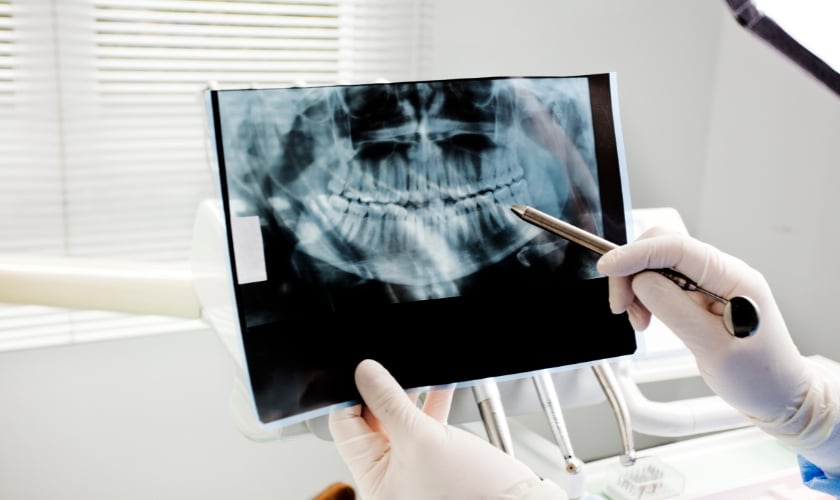
Advanced radiographic imaging plays a crucial role in spotting oral cancer early. Think of it as a supercharged version of traditional X-rays that gives your dentist a detailed look at what’s happening beneath the surface. Here’s a look at some commonly used imaging technologies:
CBCT Scans (Cone Beam Computed Tomography)
For cases requiring an even more in-depth view, CBCT scans come into play. These 3D imaging tools provide a detailed look at the bones, tissues, and blood vessels in your mouth. If any signs of growth or lesions link to oral cancer, this advanced technology will catch them.
Digital X-rays
Unlike old-school film X-rays, digital X-rays provide clearer, more detailed images in real time. They help detect cavities and play a key role in spotting abnormalities in the mouth that might indicate oral cancer. The high resolution allows dentists to see the soft tissue in your mouth and detect even the smallest signs of trouble.
Intraoral Cameras
Intraoral cameras offer a close-up, often magnified view of your mouth. While this may sound high-tech, it’s actually a simple tool that allows dentists to examine hard-to-reach areas for lesions, abnormalities, or other signs of oral cancer. This technology is crucial for ensuring that nothing gets overlooked during routine check-ups.
The Benefits of Advanced Radiographic Imaging
Advanced radiographic imaging goes above and beyond traditional methods, giving dentists a clearer picture of your overall oral health. Here’s why this is a big deal:
- Non-invasive: You won’t need to worry about discomfort—advanced radiographic imaging is entirely non-invasive.
- Early detection: The clarity of digital X-rays and CBCT scans allows dentists to detect abnormalities early, meaning they can spot oral cancer before it becomes a serious issue.
- Precise results: These advanced tools provide highly accurate results, ensuring dentists can make well-informed decisions about your health.
Your Dentist’s Role in Detecting Oral Cancer Early
Oral cancer detection isn’t just about high-tech tools; it also relies on regular check-ups with a dentist who knows what to look for. By combining advanced radiographic imaging with thorough oral exams, dentists ensure that nothing gets missed. During a routine check-up, your dentist will assess your mouth for any warning signs and recommend imaging if needed to investigate further.
The Importance of Regular Check-ups
No matter how cutting-edge the technology is, regular dental check-ups serve as your first line of defense against oral cancer. By scheduling routine visits, you ensure that your oral health receives close monitoring. Remember, it’s much easier to address potential issues when you catch them early.
Who Should Consider Advanced Imaging?
Anyone can benefit from advanced radiographic imaging, but it’s especially important if you have any of the following risk factors:
- Tobacco use: Smoking or chewing tobacco dramatically increases your risk of developing oral cancer.
- Heavy alcohol consumption: Excessive alcohol use poses another risk factor.
- HPV: Certain strains of the human papillomavirus (HPV) link to oral cancer.
- Age: Oral cancer becomes more common as you get older.
- Family history: If oral cancer runs in your family, discuss this with your dentist.
The Process: What to Expect from Advanced Imaging?
So, what can you expect when you undergo advanced radiographic imaging? Don’t worry; the process is quick and painless. Here’s a breakdown:
- Consultation: Your dentist will first conduct an oral exam and discuss any symptoms you’ve noticed or risk factors you may have.
- Imaging: Based on the exam, your dentist might recommend an advanced imaging procedure, such as digital X-rays or CBCT scans, to obtain a detailed look.
- Results: Your dentist will review the images for any abnormalities and discuss the next steps if they find anything unusual.
- Follow-up: If necessary, further testing or a biopsy may be recommended.
Oral cancer can be a scary thought, but with advanced radiographic imaging, you can stay ahead of the game. Early detection is key to successful treatment, and advanced imaging allows us to spot potential problems long before they become serious.
Make sure you do everything you can to protect your health by scheduling regular check-ups and discussing advanced radiographic imaging with your dentist. It’s a simple, painless way to ensure that your mouth stays healthy and happy for years to come.
FAQs About Advanced Imaging and Oral Cancer Detection
Q: Does advanced radiographic imaging hurt?
A: Nope! The imaging process is completely painless. You might need to sit still for a few moments while the scan is completed.
Q: How often should I get screened for oral cancer?
A: This depends on your individual risk factors. If you’re at high risk, your dentist might recommend more frequent screenings. For most people, regular dental check-ups every six months are sufficient.
Q: Can advanced imaging detect anything besides oral cancer?
A: Absolutely! Advanced imaging is great for detecting a wide range of issues, from cavities and gum disease to problems with your jawbone or wisdom teeth.
Q: Is advanced imaging covered by insurance?
A: Many insurance plans cover advanced imaging, but it’s always a good idea to check with your provider to confirm.