$89 New patient Exams & X-rays / $35 Emergency Visits

7 Best Foods To Eat When You Have Dry Mouth
Dry mouth, or xerostomia, is a condition where the mouth produces insufficient saliva. This issue can stem from various causes, such as medications, dehydration, or underlying health conditions. People with dry mouth often struggle with chewing, swallowing, and speaking, which can greatly affect their daily lives.
While dental treatments can help manage dry mouth, dietary changes can also provide significant relief and enhance oral health. In this blog, we will discuss how adjusting your diet can help alleviate dry mouth symptoms and highlight seven foods that are particularly effective.
Best Foods to Relieve Dry Mouth
Hydrating Fruits
Eating fruits with high water content can help soothe xerostomia and keep your mouth hydrated. Consider these options:
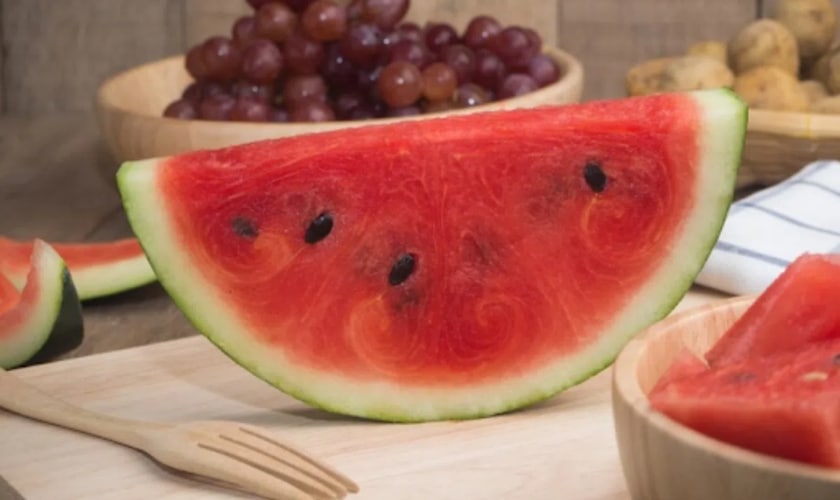
- Watermelon: Packed with water, watermelon is both hydrating and refreshing, making it ideal for combating dryness.
- Grapes: These juicy fruits are full of water and can help moisten the mouth while promoting saliva production.
- Citrus Fruits: Oranges and lemons are hydrating, and their acidity can stimulate saliva flow. However, be cautious, as citrus may irritate sensitive mouths.
Crunchy Vegetables
Crunchy veggies can boost saliva production and ease dry mouth. Try incorporating:
- Carrots: Their crunchy texture and high water content make carrots a great choice for hydration and saliva stimulation.
- Celery: Celery’s high water content and fibrous texture encourage chewing, which stimulates saliva flow.
- Cucumbers: With their refreshing and hydrating properties, cucumbers help keep your mouth moist.
Dairy Products
Dairy items can help soothe xerostomia and encourage saliva flow. Consider these options:
- Yogurt: This dairy product is beneficial due to its probiotics, which can support oral health and increase saliva production.
- Cheese: Rich in calcium and phosphorus, cheese can help stimulate saliva production and maintain healthy teeth and gums.
- Milk: Milk is hydrating and can temporarily relieve xerostomia while providing calcium for overall oral health.
Herbal Teas and Broths
Sipping on herbal teas and broths can provide comfort and moisture. Try:
- Peppermint Tea: This tea not only refreshes but also contains menthol, which can help stimulate saliva flow and alleviate dryness.
- Vegetable Broth: Hydrating and nutrient-rich vegetable broth can keep your mouth moist and provide essential vitamins and minerals.
Sugar-Free Gum and Candies
Chewing sugar-free gum or sucking on sugar-free candies can help increase saliva flow. Consider:
- Xylitol Gum: Xylitol is a sugar alcohol that helps prevent tooth decay while stimulating saliva production.
- Sugar-Free Candies: Opt for candies sweetened with xylitol or sorbitol to increase saliva flow without adding sugar.
Healthy Fats
Adding healthy fats to your diet can assist with xerostomia. Try:
- Avocado: Avocados are rich in healthy fats and can help keep your mouth hydrated. Enjoy them in salads, on toast, or as guacamole.
- Olive Oil: Incorporating olive oil into your meals can help lubricate your mouth and throat, easing xerostomia symptoms.
Hydrating Soups
Soups can be both comforting and hydrating. Include:
- Chicken Broth: Rich in fluids and electrolytes, chicken broth helps replenish lost fluids and maintain hydration.
- Vegetable Soup: Full of hydrating vegetables like celery and carrots, vegetable soup provides both moisture and essential nutrients.
The Importance of Hydration
Staying hydrated is crucial for managing xerostomia and supporting overall oral health. Here’s why:
- Saliva Production: Water helps produce saliva, which lubricates the mouth and clears away food particles and bacteria.
- Hydrating Beverages: Herbal teas and coconut water can also help relieve xerostomia.
- Avoid Dehydrating Drinks: Reduce intake of sugary and caffeinated drinks, which can worsen xerostomia.
Avoiding Dry Mouth Triggers
To manage dry mouth effectively, avoid:
- Caffeine and Alcohol: These can dehydrate the mouth, worsening dryness. Opt for decaffeinated options and limit alcohol.
- Salty and Spicy Foods: These can exacerbate dehydration and irritate oral tissues, worsening xerostomia.
Additional Tips for Managing Dry Mouth
- Stay Hydrated: Drink plenty of water throughout the day to keep your mouth moist. Carry a water bottle with you to sip regularly.
- Limit sugary and salty foods: These can contribute to xerostomia.
- Avoid alcohol and caffeine: These substances can dehydrate your body.
- Use a humidifier: A humidifier can help add moisture to the air, which can be beneficial for people with xerostomia.
- See a dentist: If you experience persistent dry mouth, it’s crucial to consult with your dentist in Conroe, TX, to identify and address any underlying medical conditions.
By adding these moisture-rich foods and beverages to your diet and following the recommended tips, you can better manage dry mouth symptoms and enhance your overall oral health. Proper hydration and avoiding dry mouth triggers will help you achieve greater comfort and improved well-being.