$89 New patient Exams & X-rays / $35 Emergency Visits

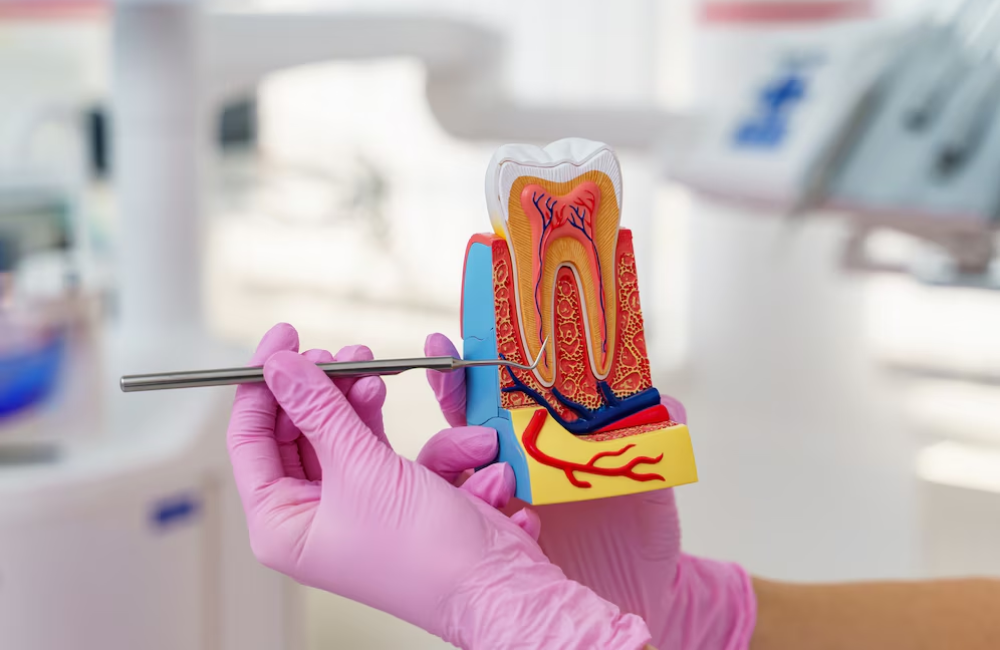
Can a Root Canal Be Necessary For Damaged Teeth?
A broken tooth can occur due to advanced tooth decay, accidental trauma, or deep cracks in the enamel. If you’re wondering whether a root canal might be necessary during treatment, keep reading. A broken tooth typically means part of the tooth structure above the gum line has chipped or fractured.
It’s essential to visit a dentist as soon as possible after the injury so they can assess the damage and decide on the best treatment plan. In many cases, a dental crown will be needed to protect the weakened tooth. This blog explores how root canal therapy works and how often it’s recommended for dental injuries. You’ll also learn the right time to schedule an appointment after a break.
Root Canal Treatment for a Broken or Damaged Tooth
Root canal therapy is often a go-to solution for treating broken teeth, especially when the inner part of the tooth (called the pulp) becomes damaged or exposed. Whether a root canal is needed depends on the extent of the break, the type of tooth involved, and the overall condition of what remains of the tooth.
Front and back teeth differ not only in shape and function but also in how they typically break. For front teeth, trauma or accidents are the most common culprits. If the break does not reach the pulp (the soft inner tissue containing nerves and blood vessels), a root canal may not be necessary unless symptoms of pulpitis, such as inflammation or infection, are present. However, if the pulp is exposed or damaged, a root canal becomes essential to save the tooth and prevent further complications.
Sometimes, even if the pulp isn’t infected, a root canal treatment in Conroe, TX, is still performed as a preventive step, particularly if the tooth is severely compromised and a dental crown is needed. In such cases, the dentist removes the pulp tissue, then places a post into the root canal to provide additional support for the crown. A rubber-like material called gutta-percha is used to seal the canal and secure the post in place, creating a stable foundation for the final restoration.
In rare instances, a fracture might occur below the gum line or even in the root of the tooth itself. If the break is near the tip of the root, a more advanced surgical procedure called an apicoectomy (root-end resection) may be performed. Like a standard root canal, this involves removing infected or inflamed tissue from the root, but it targets the root’s tip and surrounding bone instead of the crown area.
Treatment for Back Teeth
Breakage in back teeth, like molars and premolars, usually results from severe decay, large fillings that fail over time, or weakening of the tooth structure. Because these teeth are larger, they often don’t require post-placement after a root canal. Still, if decay removal or trauma has exposed the pulp, a root canal is usually the best option to save the tooth.
The dentist will evaluate whether the fracture goes below the gum line or impacts the roots. If the break is too severe and the tooth cannot be restored, extraction may be necessary. However, in multi-rooted teeth like molars, it’s sometimes possible to remove the damaged root and preserve the rest of the tooth.
Root fractures in back teeth are less common than in front teeth, but when they do occur, proper evaluation is crucial. Treatment decisions are always made based on the severity of the fracture and the long-term health of the surrounding structures.
Aftercare Following a Root Canal
After undergoing a root canal, it’s important to follow the right aftercare routine to maintain the health of the treated tooth and prevent future issues. Here are some essential aftercare tips:
- Avoid chewing hard items like ice or popcorn kernels.
- Brush and floss twice daily to maintain oral hygiene.
- Refrain from smoking or using tobacco, as these habits introduce harmful bacteria.
- Follow our dentist’s specific post-treatment instructions carefully.
Proper care and attention after a root canal will support healing and ensure the longevity of your restored tooth.
In Summary
Root canal therapy is a reliable and effective treatment for saving broken teeth and restoring their function. If the tooth’s inner pulp becomes infected or exposed, removing it through a root canal allows for further restoration, usually with a dental crown. Whether the break is due to decay, trauma, or an old filling, getting prompt dental care improves the chances of saving the tooth and preventing complications.
If you’ve recently broken a tooth or are experiencing oral discomfort, don’t delay seeking treatment. The sooner the problem is addressed, the more options you have to preserve your natural tooth and restore your smile. Contact our dentist today!